The green revolution has Journalist Drew Maloney extended its influence on the agricultural sector. Eco-consumers hold farmers accountable for their environmental impacts by influencing a sustainable market. In turn, farmers are catering to eco-consumers to gain a leg up on competitors.
Professionals in this industry can increase production sustainability by adopting advanced tech. Environmental engineers are developing sustainable agricultural technologies to help regions meet emission-reduction goals. Green technology in agriculture could effectively decarbonize the farming industry.
The Demand for Sustainable Agriculture Technologies
Countries are implementing agricultural sustainability regulations to monitor pollution and protect the environment. Practices during production contribute to soil erosion, water pollution, eutrophication, deforestation and natural-resource exploitation. These can be some of the most significant contributors to climate change in many countries.
- Vertical Farming
Sustainable farmers are moving their practices inside to minimize surface-level and atmospheric pollution. Controlled growing environments are eco-friendly because they conserve natural spaces. Individuals can prevent deforestation, soil erosion and resource depletion using vertical farming.
Agricultural professionals are stacking crops to optimize space, light and water. Engineers design vertical farming facilities with efficient appliances to minimize emissions. They often use LED grow lights, which maximize energy use.
- Smart Sprinklers
Farmers can also use intelligent sprinkler systems to reduce resource exploitation. Autonomous irrigation technologies rely on the Internet of Things to access real-time weather predictions. Smart sprinklers use ground-level sensors to collect and distribute field data. - Rainwater-harvesting Systems
Sustainable farmers can optimize their water supplies using rainwater harvesting systems. This reclamation system decreases stormwater runoff and farmers’ reliance on freshwater. Many agricultural professionals combat adverse climate change effects with pesticides and synthetic fertilizers. Farming Drones
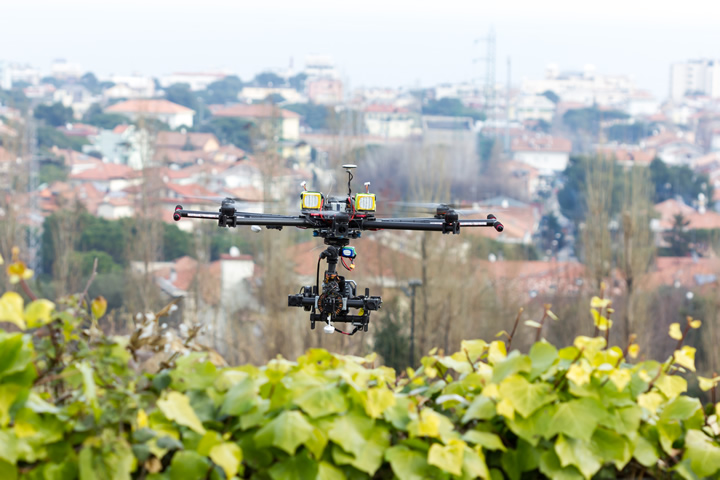
Drones are another form of green technology supporting sustainable agriculture. Farmers can use drones throughout their fields to monitor crop development and collect valuable data. Drones help agricultural professionals monitor areas remotely, which minimizes transportation emissions. The technology runs on electricity and produces zero emissions while in use.
- Electric Field Equipment
Environmental engineers are developing electric field equipment to reduce the global agricultural carbon footprint. Most field equipment relies on diesel, producing greenhouse gas emissions during combustion. Farmers can minimize atmospheric degradation by investing in electric alternatives.
Eco-conscious farmers are teaming up to expand rural electrification can produce a clean agricultural economy. They are swapping their diesel-powered equipment with electric alternatives to support the sustainable transition. Electric tractors have zero tailpipe emissions and increase cost-efficiency.
 Site Title
Leave a comment